If you typed bayka vs mxcse floating shelves into a search bar, you were probably standing in a room with a bare wall, a tape measure in one hand and a phone in the other, trying to work out whether a walnut-look three-pack or a mid-century shelf unit is the thing that finally gets the clutter off the floor. I have moved six times in nine years, four of those into apartments with one load-bearing wall and a door that had to open all the way, and I have learned that the shelf is never the hard part. The wall is the hard part.
Start with the BAYKA three-pack if you want a matched run of shelves at 15.7 inches and you have a wall that can take three anchors. Take the upsimples six-pack if the wall is long, the budget is tight and you can live with black. Buy the SUMGAR unit if you want the shelf to read as furniture rather than as a plank. Skip the two-tier rustic pair unless you have a narrow spot that genuinely needs vertical storage, because it is the most specialized set of the four.
None of these four sets is one I have hung on my own wall, and I am not going to pretend otherwise. What I can do is read the listing the way I read an apartment: what the name states, what it leaves out, and what the repeated complaints in the reviews tell you about the part that fails first.
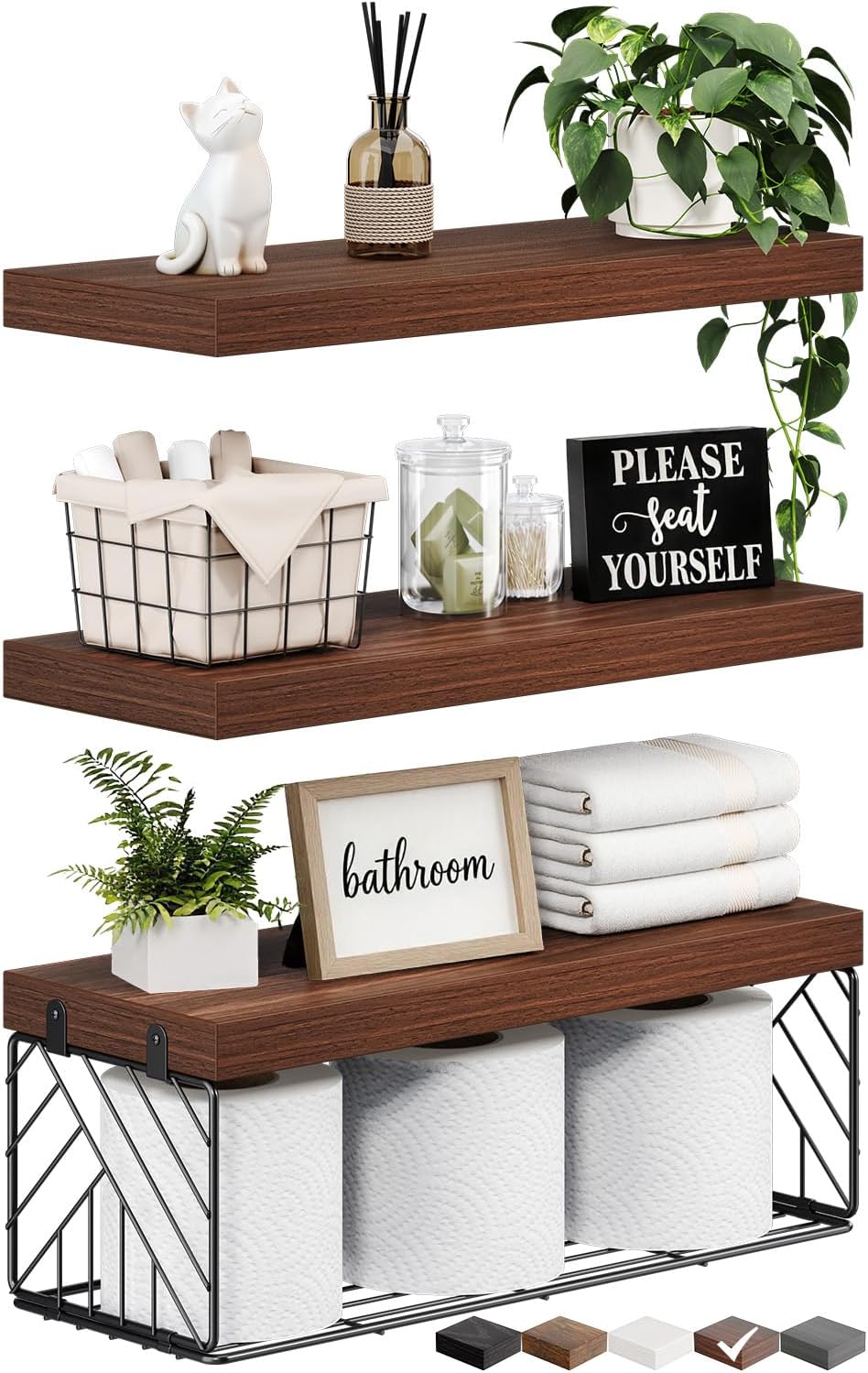
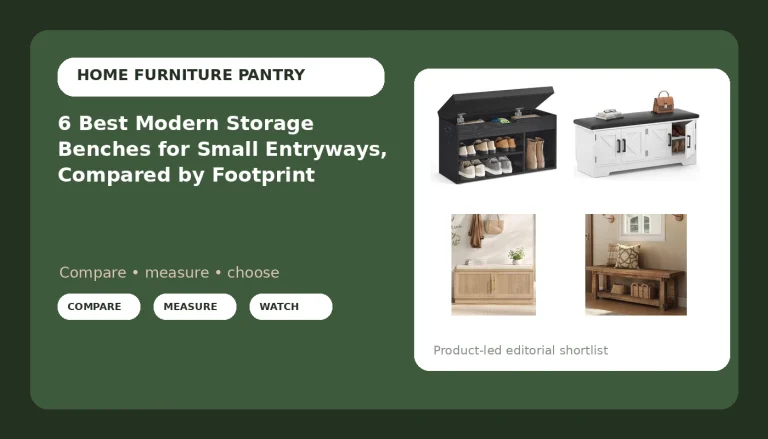
BAYKA Walnut-Like Floating Bathroom Shelves, 15.7in, 3Pk, Wall Mount Shelf
Three matched 15.7 inch shelves in a warm walnut-look finish, enough for a staggered run on one wall
"Walnut-like" is a finish name, and the listing does not state depth or what hardware ships in the box
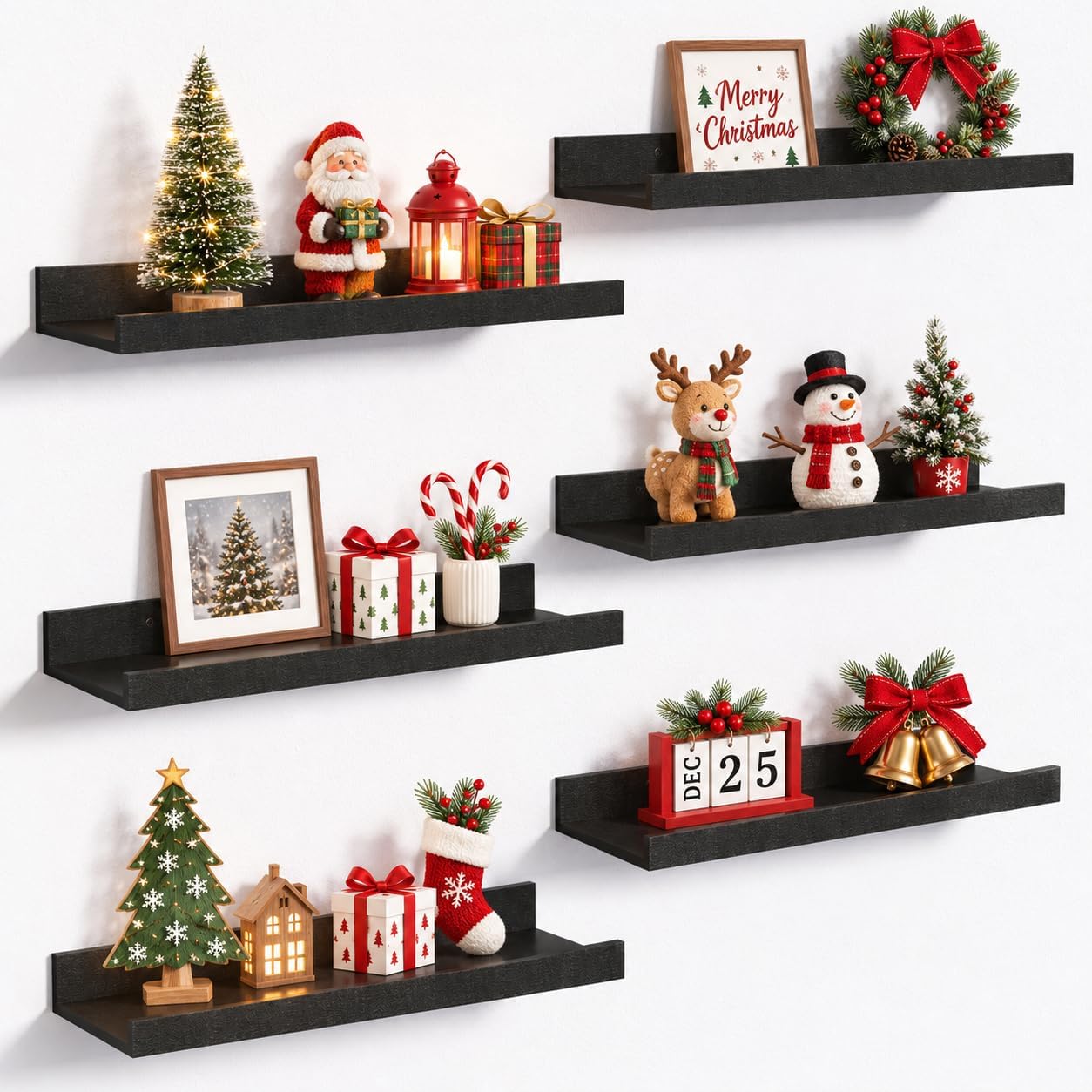
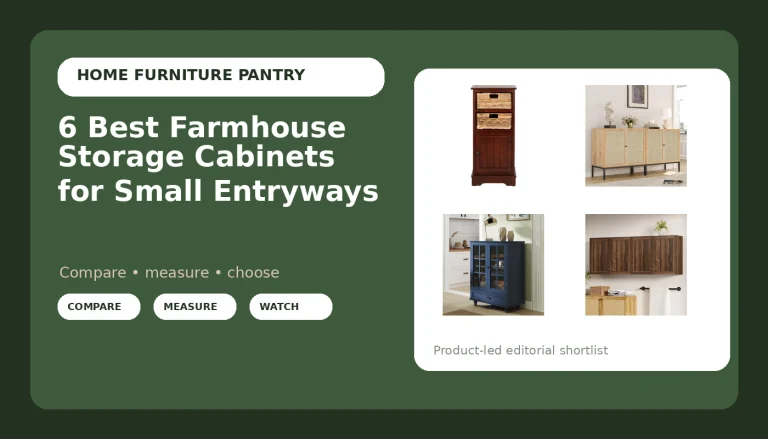
upsimples Floating Shelves for Wall Decor and Storage, Black, 6Pcs 15.7''
Six shelves at the lowest buy-in here, the cheapest way to cover a long empty wall
Six sets of holes to patch later, and a black finish that shows dust and fixes the room's palette
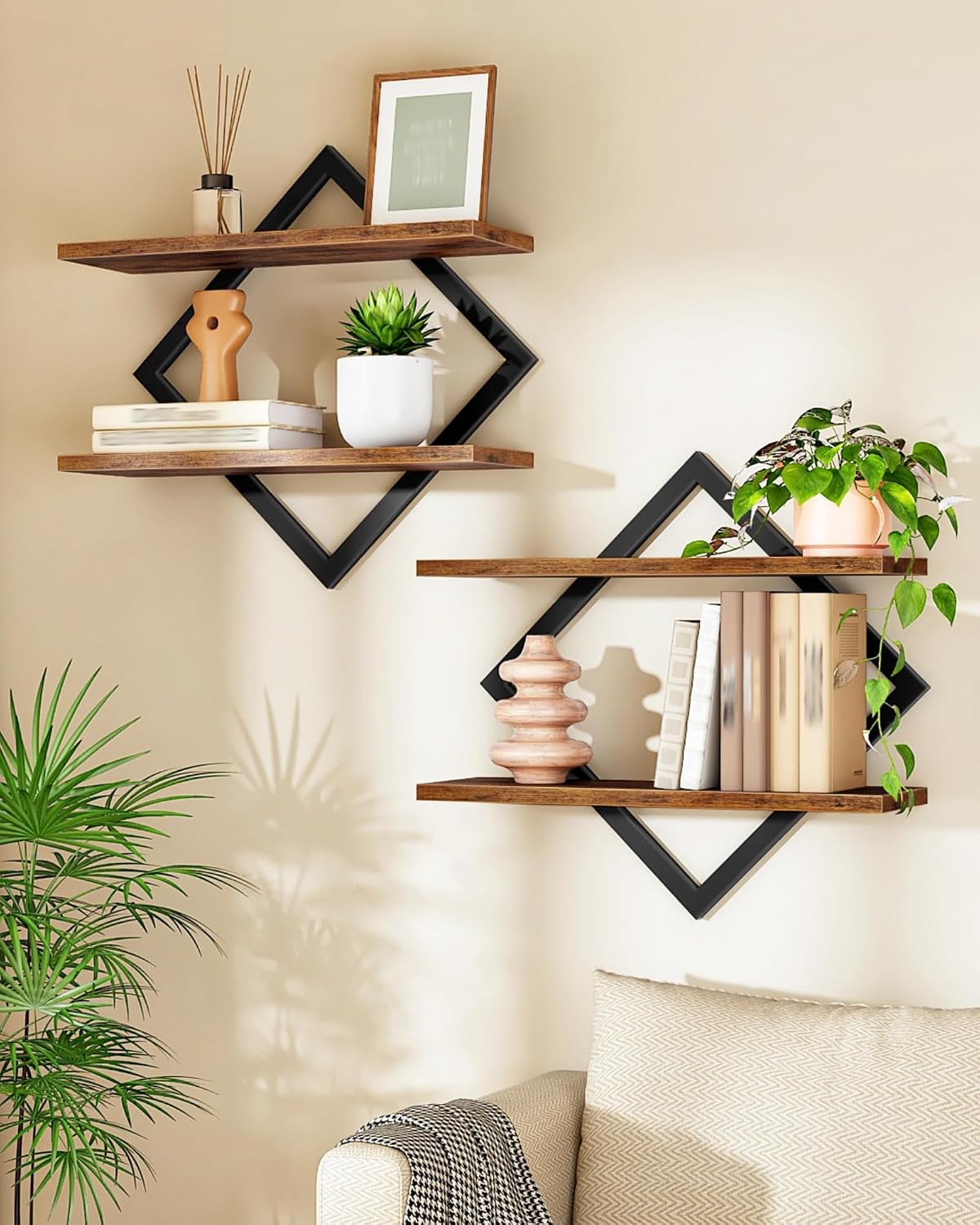
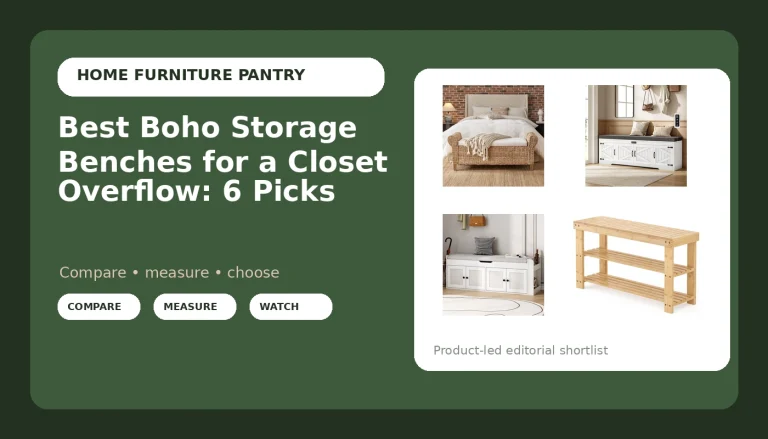
Floating Shelves, Set of 2 Wall Shelves, 2-Tier Hanging Shelves, Wall Shelf Set of 2, Wall Mounted Shelves, Rustic Brown TBJ01P2BF
Two surfaces per unit in the footprint of one, which is the answer for a narrow gap
The upper tier caps what fits below it, and rustic brown is a look that has to match the room
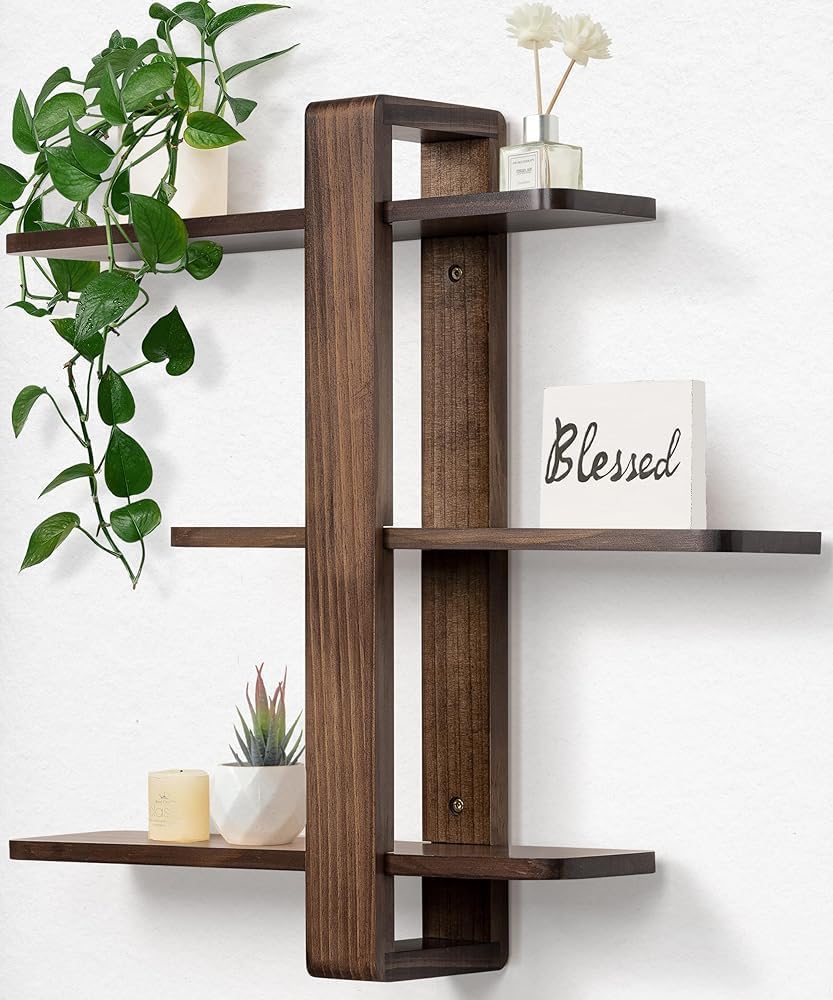
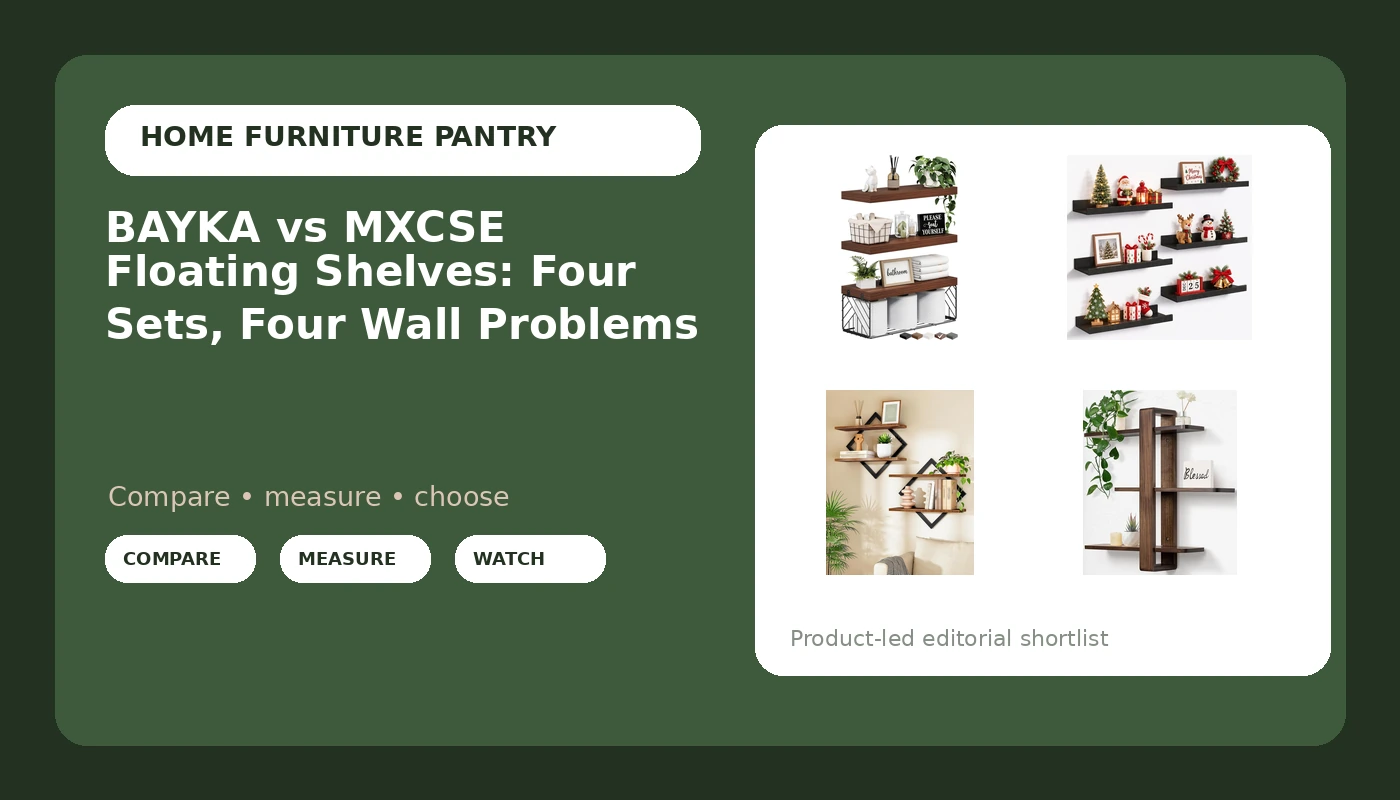
SUMGAR Floating Shelves for Wall Walnut Shelf Unit Mid Century Modern Decor
The one set here that reads as furniture rather than as a plank
A single unit at the top of the price range, so a long wall needs two
Prices and availability may change.
What bayka vs mxcse floating shelves really comes down to
That search is usually a finish question dressed up as a brand question. On one side you have a walnut-tone set sold as a bathroom three-pack at 15.7 inches per shelf. On the other you have a walnut shelf unit built around a mid-century silhouette. The two records in this comparison that answer that question directly are the BAYKA set and the SUMGAR unit, and they are not interchangeable: one is three identical shelves, the other is a single piece with a shape.
The rest of this comparison covers the two sets that answer the same question from a different angle. The upsimples six-pack wins on quantity and on cost per shelf. The two-tier rustic set wins on footprint, because it stacks two surfaces where the others give you one.
That framing matters more than brand loyalty. A floating shelf is a bracket, a box and a finish. You can compare finishes from a photo. You cannot compare brackets from a photo, which is why the mounting section below is longer than the styling section.
How I judge a floating shelf I have not hung
The listing name is the only part of a product page most people read, so start there and notice how much it leaves out. The BAYKA name gives you a finish descriptor, a length, a count and a mounting method. It does not give you depth, thickness, bracket type, weight rating, or whether hardware is in the box.
Those missing numbers are the ones that decide whether the shelf works. Depth decides whether a hardcover or a plant pot actually sits on it. Thickness decides whether it reads as a shelf or as a plank. Bracket type decides whether you need a stud or a good anchor. Hardware in the box decides whether you are making a second trip.
So my method is boring. I read the stated numbers, I list the missing ones, and then I go to the reviews and search for the failure. For floating shelves the recurring words are sag, pull out, anchor, hollow and color. If a page has a hundred reviews and thirty of them use one of those words, that is the design talking, not the shipping.
The walnut-look pair: BAYKA and SUMGAR
This is the pair that answers most of the bayka vs mxcse floating shelves traffic, and the difference between them is quantity versus shape.
BAYKA's set is the practical walnut option: three shelves, 15.7 inches each, sold as a bathroom shelf but not limited to one. Three is a useful count because it gives you a staggered arrangement on a single wall, or one shelf each in three rooms. The phrase "walnut-like" is honest about what it is, a finish rather than a species, and that matters if the shelf is going next to a real walnut table. It will not match. It will coordinate.
The SUMGAR unit is the other half of the pairing and the more expensive of the two. It is a walnut shelf unit built as mid-century decor, which usually means a shaped profile and a visible frame rather than a hidden bracket. That is the version you buy when the wall is the focal point and the shelf is allowed to be seen. It is also a single unit, so a long wall needs two, and two units cost more than either of the multi-packs here.
My rule: if the room already has warm wood and you want the shelf to disappear into it, the three-pack is the smarter buy. If the shelf is going on an empty painted wall and you want it to carry the room, the SUMGAR is the one that earns the extra spend.
The six-pack: upsimples and the case for uniformity
Six black shelves at 15.7 inches is the lowest-priced way to cover a lot of wall in this comparison, and that is its whole argument. It is the set for a laundry room, a pantry wall, a hallway, a home office, or the one long wall in an apartment that has been empty since you moved in. Black is also the finish that disappears against a dark wall and reads industrial against a light one.
Two things to think about before you commit. First, six shelves means six sets of holes, and if you are renting that is six patches and six touch-up jobs on move-out day. Second, six identical shelves in a row is the arrangement most people regret, because a perfect grid looks like a store display. Break it up: two shelves together, a gap, three staggered, one alone.
Uniformity is the real product here. Matching shelves in the same finish and the same length let you build a run that looks deliberate, and at 15.7 inches you can fit a pair into a span that a longer shelf would crowd. This is also where a floating shelves comparison gets honest: the cheapest set is rarely the one that fails first on looks. It fails first on the hardware in the box.
The two-tier set: where rustic brown earns its place
The rustic brown set is the odd one out, and that is the point. It is a pair of two-tier hanging shelves, so each unit gives you two surfaces in the footprint of one. In a narrow spot, a bathroom corner, the gap beside a media console, the sliver of wall between a door and a closet, that vertical stack is worth more than a longer single shelf.
The trade-off is what the top tier does to the bottom one. A second shelf above the first limits the height of anything you put below it, which rules out most books and any plant that grows. Two tiers in a small footprint usually means each surface is shallower than a single plank, so measure the depth of the tallest thing you plan to put there before you order, and do not assume the depth from the photo.
Finish is the second trade-off. Rustic brown is a warm, slightly distressed look, and it wants to sit near wood tones, linen and matte black metal. Put it next to a glossy white desk or a cool gray wall and it will look like it wandered in from another room.
A floating shelves size guide for the wall you actually have
Fifteen and seven-tenths inches is the number that repeats across three of these four sets, and it is a good number to build around. It is short enough to fit between a door casing and a corner, long enough to hold a row of paperbacks or two small pots, and short enough that a pair of them spans a narrow wall without overhang.
Measure four things before you buy anything. The wall length between obstructions, the height from the floor to eye level in that room, the depth of the deepest object you plan to put on the shelf, and the swing of any door or cabinet that opens toward the wall. That last one is the measurement people skip and then regret, because a shelf hung at the wrong height turns a door that opened all the way into a door that opens most of the way. If you want the longer version of that work, read how to measure a wall before you drill.
Spacing is the other half of the size guide. Shelves stacked too close read as a single unit and leave no room for anything tall. Shelves spaced too far apart lose the relationship that makes a run look intentional. Pick the tallest object for each shelf first, add a hand's width above it, and let that set the gap. If you are buying the three-pack or the six-pack, lay the arrangement out on the floor with the actual objects before you drill.
How to choose floating shelves: mounting, wall type, and the hardware bag
This is where the floating shelves buying guide usually stops being about shelves. A floating shelf hides its bracket inside or behind the shelf, which means the bracket has to be right and the wall has to be able to hold it. A shelf with visible L-brackets is more forgiving and less attractive. That is the trade.
Find out what your wall is made of before you order. Drywall with wood studs is the easy case: you want at least one screw in a stud, and a level line drawn in pencil before the first hole. Plaster is heavier and crumbles, so anchors need to be the expanding kind and the holes need to be drilled without a hammer. Tile in a bathroom needs a masonry bit and a very steady hand, and a shelf over a toilet is the worst place to learn that. Brick needs a masonry bit and no anchors at all.
If you are new to this, the floating shelves for beginners version is simple: buy the set that tells you what hardware is included, use a paper template if one comes in the box, mark both holes before drilling either, and tighten the bracket screws only after the shelf is level. And check the hardware bag against the parts list before you start, because an unlabelled bag of screws is the reason a twenty-minute job becomes a two-trip afternoon.
What the floating shelves reviews keep repeating
I will not quote reviews I have not read on products I have not bought. What I can tell you is how to read them, and the pattern is consistent across this category. Search the review page for five words: sag, anchor, hollow, depth and color.
Sag is the one that matters. It shows up on shelves that are long, thin and loaded with books. Anchor shows up when the included hardware met a wall it was not designed for. Hollow shows up when a buyer expected solid wood and got a box with a thin skin over a frame, which is the same complaint I have about "solid wood" sofa listings. Depth shows up when the shelf arrived shallower than the photo suggested. Color shows up on every wood-look finish ever sold, and it usually means the product is more gray or more orange than the screen.
Read the three-star reviews first. Five-star reviews tell you the shelf arrived. One-star reviews tell you the buyer was angry. Three-star reviews tell you what the shelf actually is.
Best budget floating shelves and the one splurge that makes sense
If you came to this page for bayka vs mxcse floating shelves and nothing else, here is the short version: the three-pack is the safe middle, the walnut unit is the splurge, and the other two sets solve narrower problems.
If the question is value per shelf, the upsimples six-pack is the best budget answer in this comparison and it is not close. Six shelves, one finish, one length, one order. If the question is which set makes a room look finished, the answer flips to the SUMGAR unit, because a mid-century walnut piece does work that three black planks cannot.
The BAYKA three-pack sits in the middle and is the safest recommendation for most people. Three is enough to make an arrangement, 15.7 inches fits most walls, and the walnut-like finish is warm enough to sit with the furniture most people already own. It is the set I would hand to someone who has never hung a shelf and does not want to think about it again.
The two-tier set is the specialist. It is not the set to buy first, but it is the set to buy when you have measured a narrow spot and nothing else fits. That is a real problem in apartments, and it is worth paying for a solution that fits rather than a longer shelf that crowds a doorway.
If you are still working through the top rated floating shelves in your budget, sort by the ones that list depth and hardware in the product description rather than the ones with the best hero photo. The photo is a rendering of a room. The depth is a number.
What I would check next
Before I ordered any of these, I would open the product page and look for four numbers and one list: length, depth, thickness, weight rating, and what is in the hardware bag. Three of those four are usually there. The hardware list is the one that goes missing, and it is the one that decides whether the box on your doorstep is a weekend project or a second Amazon order.
I would also check the return window and the box dimensions, because a six-pack of shelves is a long, heavy box and a 15.7 inch shelf is exactly the length that does not fit in a compact car's trunk at an angle. That sounds trivial until you are in a parking lot with a box that will not go through the rear door.
And I would hang one shelf first, load it, and live with it for a week before drilling the rest. A single shelf tells you whether the finish works in the room's light, whether the depth is enough for what you actually own, and whether the bracket holds the way the listing implied. That is the floating shelves reviews process, done in your own room, and it is worth the extra week.